
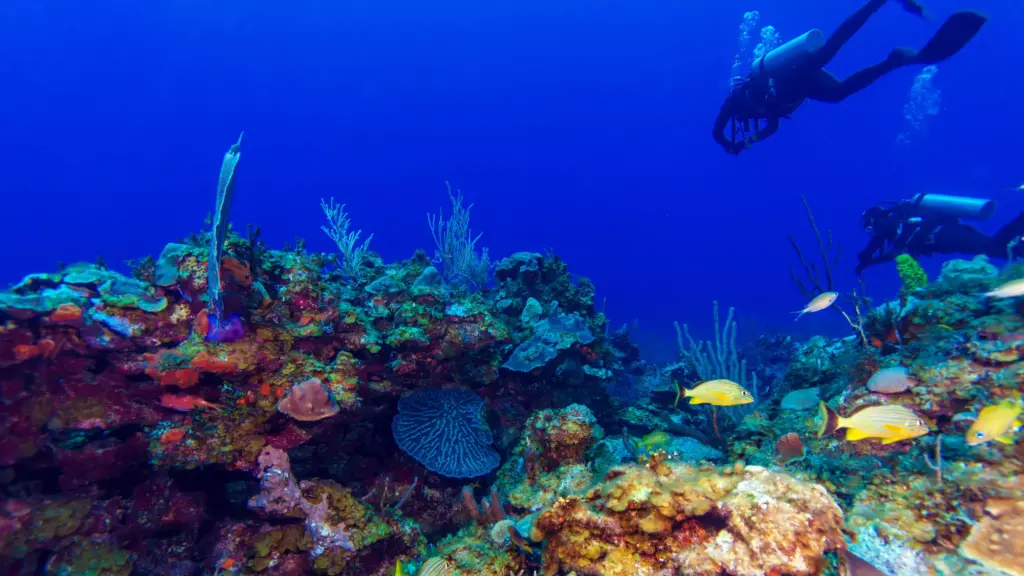
Cuba is one of the Caribbean’s most rewarding scuba diving destinations. With healthy coral reefs, crystal-clear waters, abundant marine life and dive sites suitable for every certification level, it offers unforgettable underwater experiences throughout the year.
One of the questions we hear most often at Scuba Vida is:
“When is the best time to dive in Cuba?”
Our answer is simple:
There isn’t just one perfect season. Cuba offers excellent diving all year round.
Each season has its own advantages. Winter usually brings pleasant weather and calm seas, while summer offers warmer water that’s perfect for longer dives and underwater photography. Even during the rainy season, experienced local dive operators can usually select dive sites that still provide excellent underwater conditions.
Rather than choosing the “perfect month,” we recommend choosing the experience you’re looking for. Whether it’s your first scuba dive, an underwater photography trip, or simply exploring Cuba’s spectacular coral reefs, there’s always a great time to get underwater.
As a local dive centre based in Varadero, our team dives these waters throughout the year. The recommendations in this guide are based not only on seasonal weather patterns, but also on our daily experience guiding divers along Cuba’s northern coast.
At a Glance
| Information | Details |
 Destination Destination | Cuba |
 Diving Season Diving Season | Year-round |
 Water Temperature Water Temperature | 24-32°C (75-90°F) |
 Typical Visibility Typical Visibility | 15-40 m (50-130 ft) |
 Best For Best For | Reef Diving, Discover Scuba, Courses, Underwater Photography |
 Best Overall Period Best Overall Period | December-May |
 Best Season for Photography Best Season for Photography | Summer (warmer water allows longer dives) |
 Experience Level Experience Level | Beginners to Advanced Divers |
Why Cuba Is a Year-Round Diving Destination
Unlike many destinations where diving is limited to only a few months each year, Cuba enjoys favourable underwater conditions almost year-round.
The island is surrounded by extensive coral reef systems, protected marine areas, walls, wrecks and shallow reefs that can often be selected according to the day’s conditions. This flexibility is one of the reasons local dive centres can continue offering excellent experiences throughout the year.
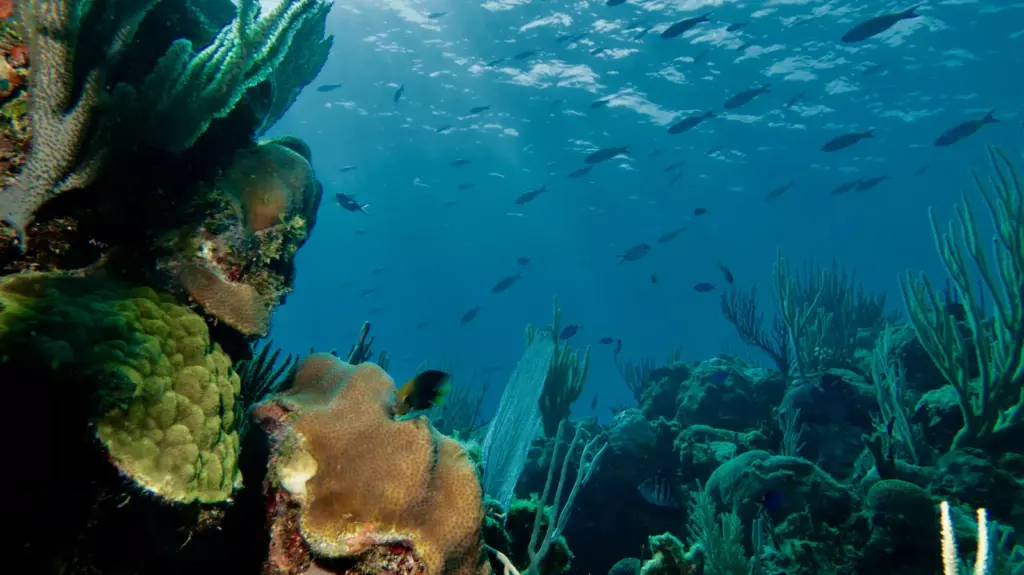
Water temperatures remain comfortable even during winter, generally ranging between 24°C and 26°C (75-79°F). During summer, temperatures often reach 28°C to 32°C (82-90°F), making long dives especially enjoyable.
Visibility is generally excellent as well. While heavy rainfall may temporarily affect dive sites located near river mouths, canals or enclosed bays, there are many alternative locations with clearer water available the same day.
For visitors coming from colder countries, even winter diving in Cuba usually feels comfortable with an appropriate wet-suit. Divers arriving from tropical climates may appreciate wearing slightly thicker exposure protection during the cooler months, especially on longer dives.
The key advantage is simple:
There is always somewhere worth diving in Cuba.
Is There Really a Best Time to Dive in Cuba?
The honest answer is no, and that’s one of Cuba’s greatest strengths as a diving destination.
Instead of asking “What is the best month?”, it’s often more useful to ask:
- Do you prefer warmer water?
- Are you planning your first dive?
- Do you enjoy underwater photography?
- Would you like to see specific marine species?
- Are you travelling during peak tourist season or looking for quieter months?
Each season offers a different experience, and understanding these differences helps you choose the perfect time for your trip.
In the next section, we’ll explore Cuba’s diving conditions month by month and explain what you can realistically expect underwater throughout the year.
Diving Conditions Month by Month
One of the greatest advantages of diving in Cuba is that there is no short diving season. The island offers excellent opportunities throughout the year, with each season bringing its own unique underwater experiences.
Rather than focusing on finding the “perfect month,” we recommend understanding what each season has to offer. Water temperature, marine life activity, visibility and weather patterns all play a role in shaping your dive experience.
The following guide is based on both seasonal conditions and our experience diving year-round from Varadero.
| Month | Water Temperature | Visibility | Marine Life | Our Recommendation |
| January | 24-25°C (75-77°F) | Excellent | Healthy reefs, schooling fish | Great for beginners and certified divers |
| February | 24-25°C (75-77°F) | Excellent | Calm conditions | Ideal for training and recreational dives |
| March | 25-26°C (77-79°F) | Excellent | Lobsters become more common | One of our favorite months |
| April | 26-27°C (79-81°F) | Excellent | Active reef life | Excellent for all divers |
| May | 27-29°C (81-84°F) | Very Good | Sea turtles become more frequent | Fantastic for photography |
| June | 28-30°C (82-86°F) | Very Good | Turtles, rays and colourful reef fish | Warm water and long dives |
| July | 29-31°C (84-88°F) | Good to Very Good | Peak summer marine activity | Perfect for underwater photography |
| August | 30-32°C (86-90°F) | Good to Very Good | Tropical marine life at its best | Warmest water of the year |
| September | 29-31°C (84-88°F) | Variable | Fewer divers and quieter sites | Flexible planning recommended |
| October | 28-30°C (82-86°F) | Variable | Healthy reefs and tropical fish | Weather dependent |
| November | 26-28°C (79-82°F) | Very Good | Comfortable diving conditions return | Excellent shoulder season |
| December | 24-26°C (75-79°F) | Excellent | Clear water and calm seas | Outstanding start to the winter season |
Winter (December to February)
Winter is often considered one of the most comfortable times to dive in Cuba.
Air temperatures are pleasant, humidity is lower and the sea is frequently calm, making these months an excellent choice for first-time divers, families and anyone looking for relaxed diving conditions.
Although the water is slightly cooler than in summer, visibility is often exceptional and coral reefs appear especially vibrant under the clear tropical sunlight.
Visitors from colder countries generally find the water surprisingly comfortable, while guests from tropical climates may appreciate wearing a slightly thicker wet-suit during longer dives.
Winter is also one of the busiest travel seasons in Cuba, so booking your dives in advance is always recommended.
Spring (March to May)
Spring offers an outstanding balance between comfortable water temperatures, excellent visibility and increasing marine activity.
March and April are among our favourite months because sea conditions are generally stable while underwater life becomes increasingly active.
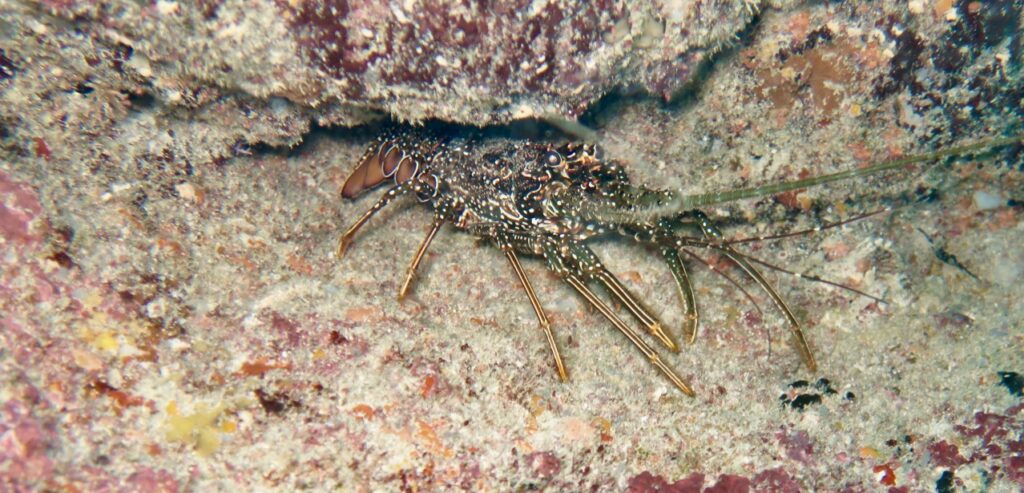
During this period, divers frequently encounter healthy coral reefs, schools of tropical fish and an increasing chance of seeing Caribbean spiny lobsters.
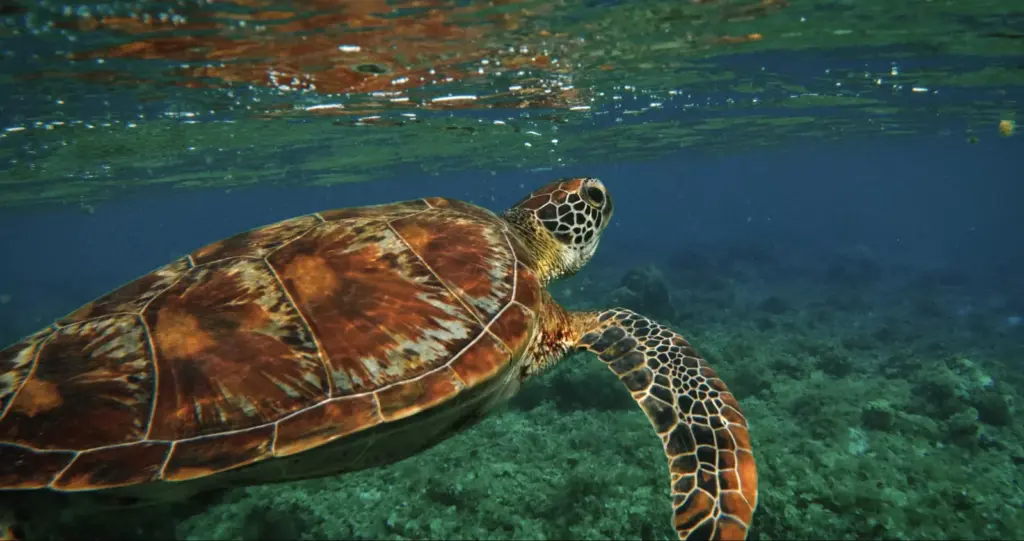
By May, water temperatures become noticeably warmer and sea turtles begin appearing more regularly around several reef systems.
Because rainfall gradually increases during late spring, visibility may occasionally be reduced near river mouths or coastal channels after heavy rain. Fortunately, experienced local dive operators can often choose alternative dive sites where underwater visibility remains excellent.
Summer (June to August)
Summer brings the warmest water temperatures of the year, often reaching between 28°C and 32°C (82-90°F).
For many underwater photographers, this is one of the best seasons to dive.
Warmer water allows divers to remain comfortable during longer dives while patiently waiting for the perfect photograph. Coral reefs are full of colorful tropical fish, rays are commonly encountered and sea turtles are seen more frequently during these months.
Although occasional afternoon rain showers are common, they rarely prevent diving. Local knowledge becomes especially valuable because selecting the right dive site can make a significant difference in underwater visibility.
At Scuba Vida, we often adapt our daily dive plans according to sea conditions, ensuring our guests enjoy the best experience available.
Autumn (September to November)
Autumn is sometimes misunderstood by travellers because it overlaps with the Atlantic hurricane season.
While tropical systems are possible during this period, they do not mean diving automatically stops.
Many days still offer beautiful underwater conditions, particularly when no tropical systems are affecting the island.
During this season, flexibility is important. On occasions when weather affects Cuba’s northern coast, experienced dive operators may recommend alternative destinations on the southern coast, such as the Bay of Pigs, where sea conditions can remain calm even when the north experiences rougher weather.
By November, weather patterns usually become more stable again, visibility improves and water temperatures remain pleasantly warm, making it another excellent month to visit Cuba.
Water Temperature Throughout the Year
Unlike many diving destinations that experience large seasonal changes, Cuba enjoys warm water throughout the year.
Approximate average temperatures are:
- Winter: 24-26°C (75–79°F)
- Spring: 26-29°C (79–84°F)
- Summer: 28-32°C (82–90°F)
- Autumn: 26-30°C (79–86°F)
Most divers remain comfortable wearing a 3 mm wet-suit during much of the year, although personal preference and dive duration should always be considered.
If you tend to feel cold underwater, especially during winter or multiple dives in one day, a thicker wet-suit will make your dives much more enjoyable.
Visibility and Sea Conditions
One of the biggest misconceptions about diving in Cuba is that visibility depends only on the season. In reality, local conditions often have a greater influence than the month itself.
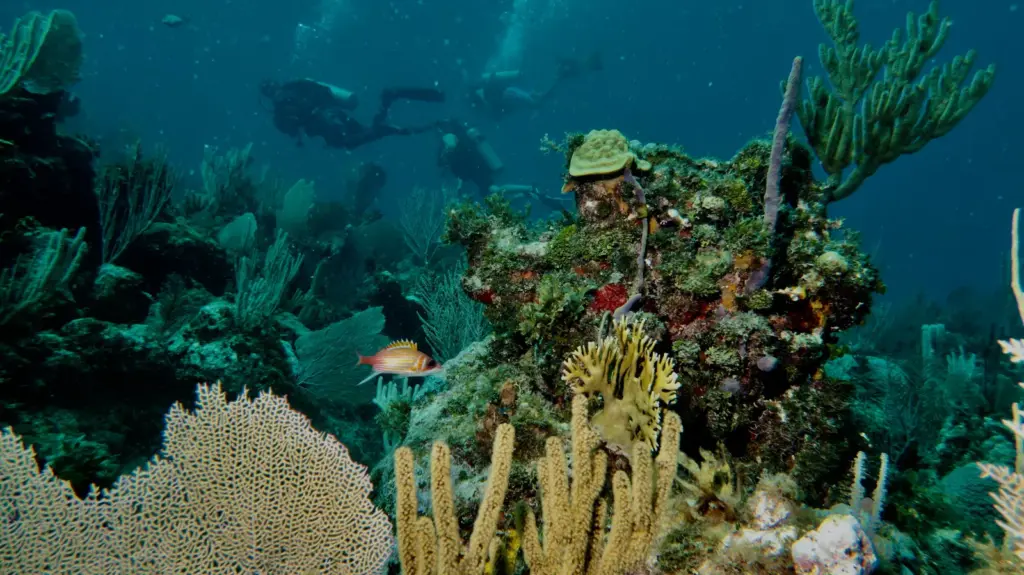
Throughout most of the year, visibility at Cuban dive sites typically ranges between 15 and 40 meters (50-130 feet), with many reef dives offering exceptionally clear water.
After periods of heavy rainfall, however, dive sites located close to river mouths, coastal channels or enclosed bays may experience temporarily reduced visibility. This is especially noticeable during the wetter months between May and July, when freshwater runoff carries fine sediment into the sea.
Another natural factor is the tide. During an outgoing tide, water flowing from rivers, lagoons and channels can reduce visibility near those areas. This effect is local rather than widespread and can occur at any time of the year, although it is generally more noticeable during the rainy season.
The good news is that Cuba offers a wide variety of dive sites. Experienced local dive operators can often choose alternative locations with much better underwater conditions on the very same day.
At Scuba Vida, selecting the right dive site according to daily sea conditions is part of our routine. Rather than following a fixed schedule, we adapt our plans whenever necessary to provide the safest and most enjoyable diving experience possible.
Marine Life Throughout the Year
One of the greatest rewards of diving in Cuba is that marine life remains abundant throughout every season.
Unlike destinations where many species migrate over long distances, Cuba’s healthy reef ecosystems provide year-round habitat for an incredible variety of tropical fish, corals and invertebrates.
During almost any dive, you may encounter:
- Great Barracudas
- Southern Stingrays
- Green Moray Eels
- French Angelfish
- Queen Angelfish
- Stoplight Parrotfish
- Schools of Jacks
- Sergeant Majors
- Caribbean Reef Fish
- Healthy hard and soft corals
Some species become slightly more common during particular times of the year.
March to May
Spring is an excellent season for observing Caribbean spiny lobsters, which are frequently seen hiding beneath coral ledges and rocky formations.
Divers also have better chances of encountering fascinating macro life, including colourful Boxer Shrimp and Spider Crabs, making this season especially rewarding for underwater photographers.
May to August
As water temperatures increase, sea turtles become more active around many reef systems.
During these warmer months, divers often report frequent encounters with:
- Hawksbill Sea Turtles
- Southern Stingrays
- Large schools of tropical fish
The combination of warm water and active marine life makes summer one of our favourite seasons for underwater photography.
Local Insight from Scuba Vida
People often ask us if they should wait for a specific month before planning their dive trip to Cuba.
Our answer is usually the same:
Don’t choose your trip based only on the calendar-choose it based on the experience you’re looking for.
If you enjoy long, comfortable dives and underwater photography, summer’s warmer water is difficult to beat.
If you prefer mild weather above the surface and consistently calm seas, winter is an excellent choice.
And if weather temporarily affects one dive site, there’s usually another location offering excellent underwater conditions.
After diving these waters throughout the year, we’ve learned that flexibility is often more important than seasonality.
That’s one of the advantages of diving with experienced local guides who understand the daily conditions and can recommend the best site for each day.
Best Dive Destinations in Cuba
Cuba is surrounded by hundreds of kilometres of coral reefs and offers an incredible diversity of underwater landscapes.
Each destination has its own personality.
Varadero
Varadero is one of Cuba’s best-known beach destinations, but many visitors are surprised to discover the quality of its nearby diving.
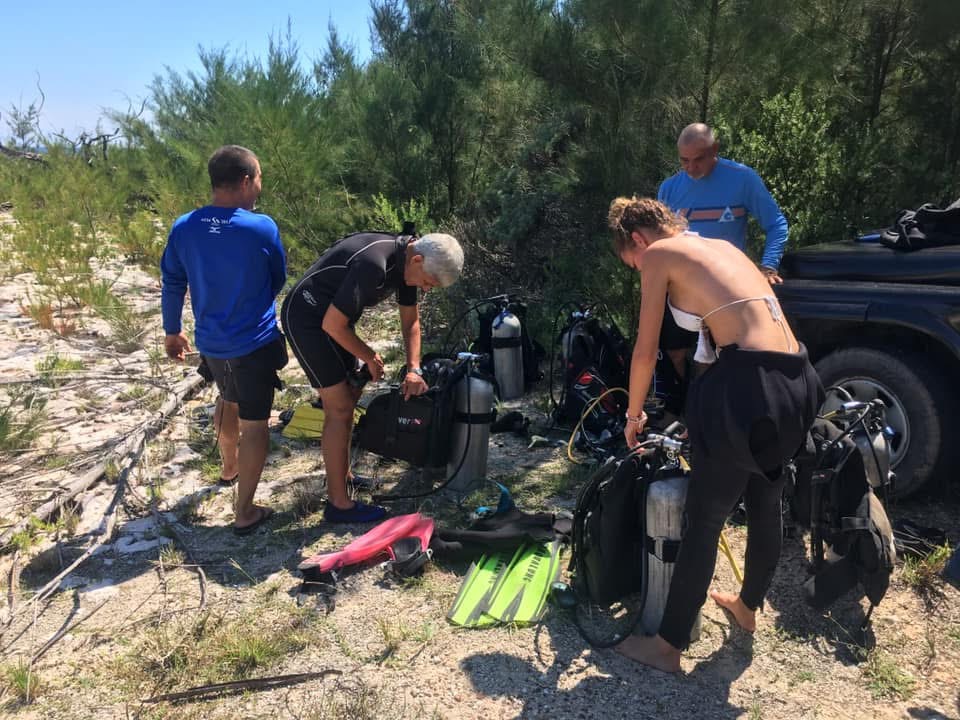
While some offshore reefs are accessed by boat, Scuba Vida also explores exceptional dive sites located around the Varadero region that can be reached directly from shore.
These coastal sites offer several advantages:
- Easy access.
- Less time travelling.
- Ideal for guests who are prone to seasickness.
- Comfortable logistics.
- Excellent conditions for beginners and experienced divers alike.
The area includes shallow reefs, moderate-depth dive sites and beautiful wall dives, allowing us to select locations suitable for different certification levels and daily sea conditions.
Strong currents are uncommon around most of these sites, making them particularly enjoyable for relaxed recreational diving.
Healthy coral formations, abundant reef fish and well-preserved marine ecosystems make this region one of our favourite places to introduce visitors to Cuba’s underwater world.
Bay of Pigs (Bahía de Cochinos)
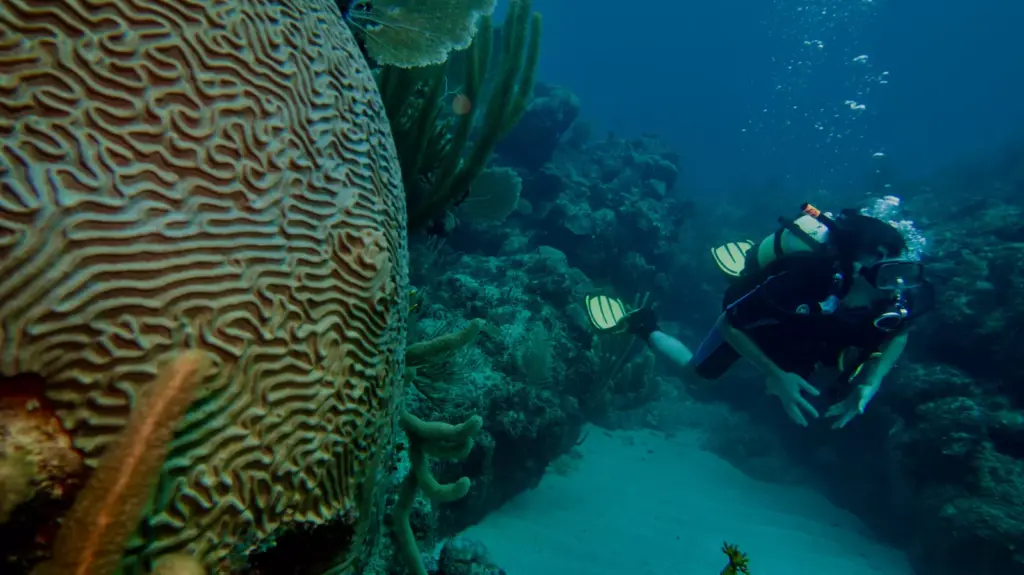
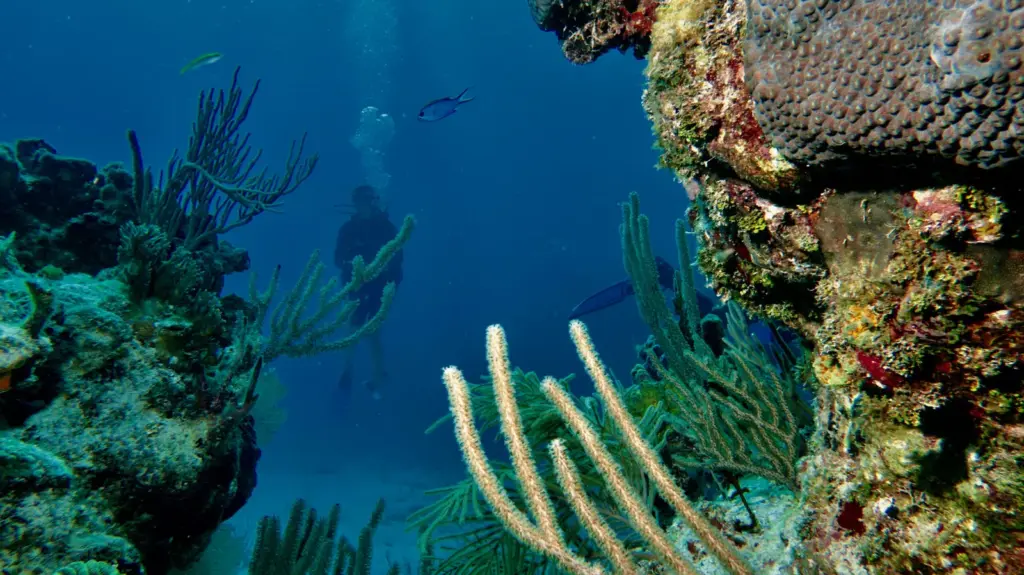
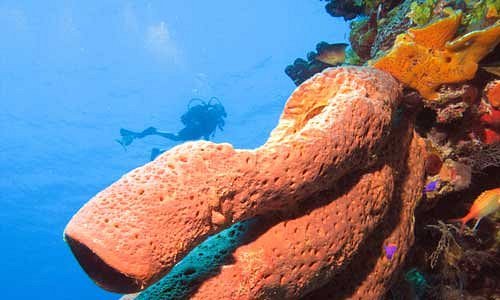
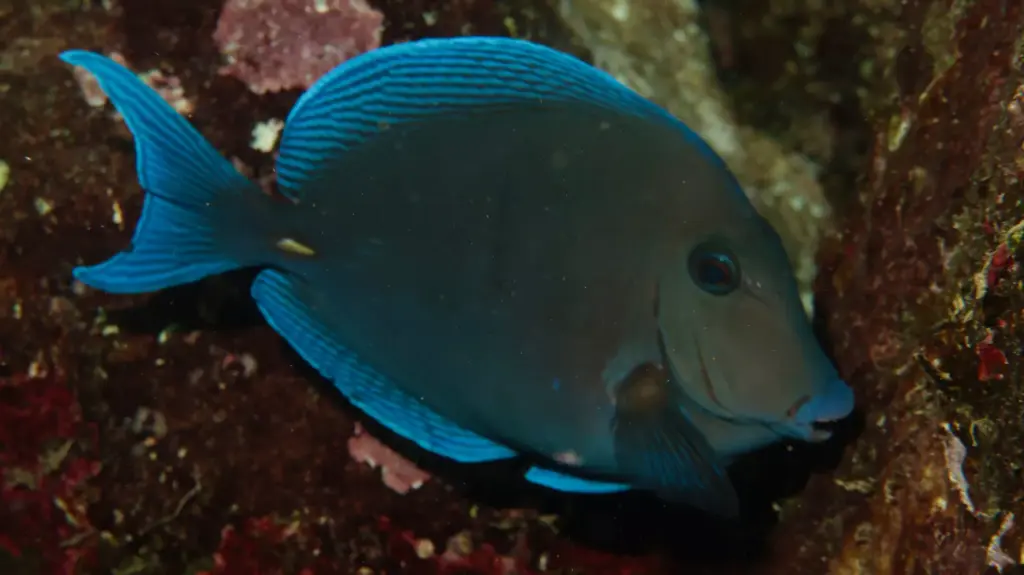
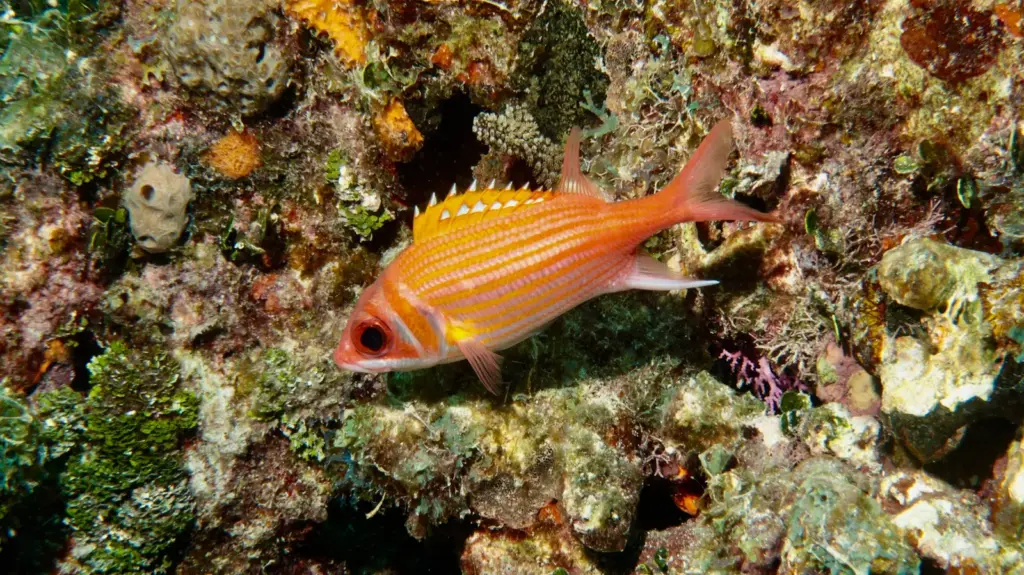
Located on Cuba’s southern coast, the Bay of Pigs is famous for its calm waters, excellent visibility and easy shore access.
It also plays an important role as an alternative destination.
When occasional winter cold fronts affect Cuba’s northern coastline, diving conditions in the Bay of Pigs often remain excellent, allowing divers to continue enjoying the underwater world.
María la Gorda
Located in western Cuba, María la Gorda is internationally recognized for its healthy coral reefs, dramatic walls and rich marine biodiversity.
It offers excellent diving throughout the year and is particularly popular among experienced divers exploring Cuba’s protected marine environments.
Jardines de la Reina
Often considered one of the Caribbean’s premier marine reserves, Jardines de la Reina is famous for its pristine reefs, sharks and exceptional biodiversity.
Because of its remote location and conservation status, it offers a truly unique diving experience for those seeking untouched underwater ecosystems.
Santa Lucía
Santa Lucía is especially well known for advanced diving experiences and seasonal encounters with bull sharks.
For certified divers looking for exciting blue-water adventures, it remains one of Cuba’s most iconic dive destinations.
Eco-Friendly Diving in Cuba
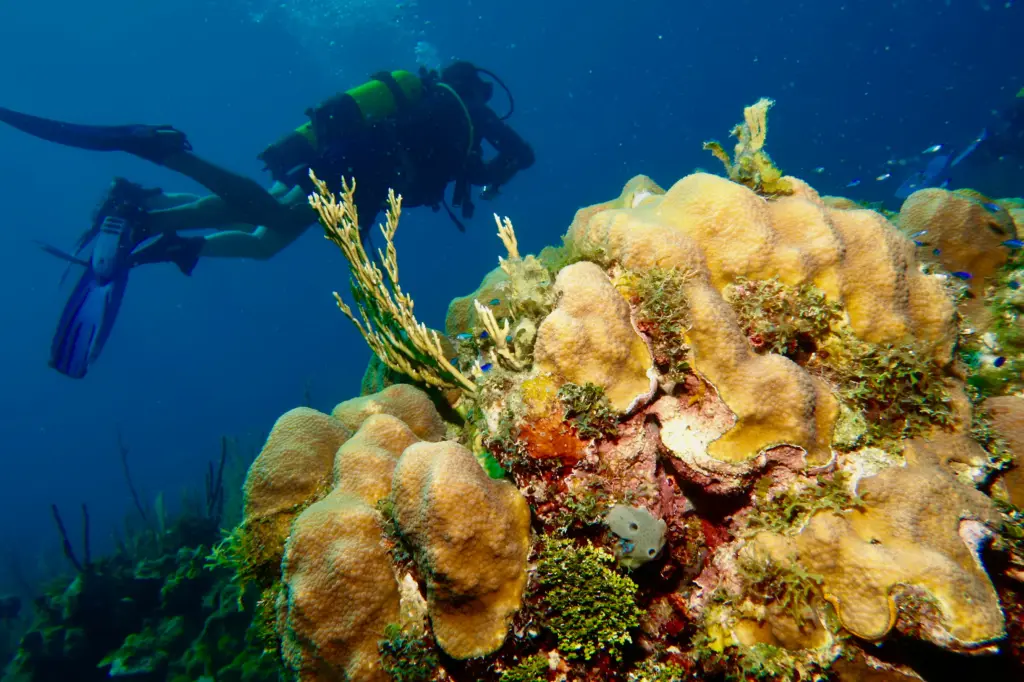
One of Cuba’s greatest underwater treasures is the remarkable health of many of its coral reef ecosystems.
Compared with many other Caribbean destinations, large areas of Cuba’s reefs remain well preserved thanks to extensive marine protected areas, lower coastal development in many regions and growing awareness of sustainable tourism.
At Scuba Vida, we believe every dive should contribute to protecting the ocean for future generations.
That’s why we encourage every diver to follow a few simple principles:
- Maintain good buoyancy to avoid accidental contact with corals.
- Never touch or chase marine life.
- Use reef-safe sunscreen whenever possible.
- Never collect shells, coral or other marine organisms.
- Leave every dive site exactly as you found it.
Responsible diving not only protects the reef, it also creates a better experience for everyone who visits after you.
Every diver has the opportunity to become an ambassador for ocean conservation.
Tips for Planning Your Dive Trip
Planning ahead will help you make the most of your diving holiday in Cuba.
Here are a few recommendations from our local team:
Book early during the high season
December through April is one of the busiest travel periods in Cuba. Reserving your dives in advance helps ensure availability.
Bring the appropriate exposure protection
Water remains warm throughout the year, but if you tend to feel cold underwater, especially during multiple dives, a thicker wet-suit may increase your comfort during winter months.
Stay flexible
Weather forecasts can change quickly in the Caribbean.
Occasionally adjusting the dive schedule or even choosing a different dive site, can result in much better underwater conditions.
Trust local knowledge
Daily sea conditions often matter more than seasonal averages.
Experienced local dive professionals know which sites will offer the best visibility and safest conditions each day.
Frequently Asked Questions
Yes. Cuba offers diving throughout the year. Seasonal weather patterns may influence the choice of dive site, but excellent diving opportunities are available during every season.
Visibility is generally excellent year-round.
Temporary reductions are usually related to local rainfall, river runoff or tidal conditions rather than the season itself.
Water temperatures typically range between 24°C (75°F) during winter and 32°C (90°F) in the warmest summer months.
Not necessarily.
Although the official Atlantic hurricane season runs from June through November, many days still offer excellent diving conditions.
Experienced local operators monitor weather forecasts daily and can often adjust dive plans or recommend alternative destinations when necessary.
Absolutely.
Many dive sites around Varadero offer calm conditions, healthy reefs and gentle underwater terrain, making the region an excellent choice for first-time divers, Discover Scuba experiences and certification courses.
Depending on the dive site and season, you may encounter:
• Sea turtles
• Great barracudas
• Southern stingrays
• Green moray eels
• Caribbean spiny lobsters
• Queen angelfish
• French angelfish
• Schools of tropical reef fish
• Healthy hard and soft corals
Every dive is unique, which is one of the reasons divers return to Cuba again and again.
Conclusion
So, when is the best time to dive in Cuba?
The honest answer is simple:
Whenever you’re ready to explore it.
Every season offers something special.
Winter often brings calm seas and excellent visibility.
Spring combines stable conditions with increasingly active marine life.
Summer offers warm water that’s perfect for long dives and underwater photography.
Autumn rewards flexible travellers with quieter dive sites and excellent opportunities when weather conditions cooperate.
Rather than searching for one “perfect month,” we recommend choosing the experience that best matches your interests and letting experienced local guides help you select the best dive sites for the conditions on the day of your dive.
That’s the advantage of diving with people who explore these waters throughout the year
 Local Insight from Scuba Vida
After guiding divers throughout the year, we’ve learned that every season offers something unique. Rather than choosing the “best month,” we focus on selecting the best dive site for the conditions on the day of your dive.
That’s one of the advantages of diving with local professionals who know these waters every day.
“Based on our team’s year-round diving experience in Varadero, Cuba”
— The Scuba Vida Team
Continue Exploring
Continue planning your adventure with these guides:
Marine Life of Varadero
 Complete Varadero Travel Guide
 Open Water Diver Course
Ready to Explore Cuba’s Underwater World?
Whether you’re planning your very first scuba dive or you’re an experienced diver looking to discover Cuba’s spectacular coral reefs, our local team is ready to help you create an unforgettable underwater adventure.
From beginner-friendly experiences to certified reef dives and scuba courses, we’ll help you find the perfect dive for your visit.
Explore with confidence. Dive responsibly. Discover Cuba with Scuba Vida.
About Scuba Vida
Scuba Vida is a local dive center based in Varadero, Cuba.
Our instructors and dive guides explore Cuba’s reefs throughout the year, sharing practical advice based on real diving conditions and helping visitors experience the island’s underwater world safely, responsibly and with respect for the marine environment.