In This best dive sites in Cuba Article we introduce you to a remarkable variety of diving, from shallow coral gardens and shore dives to wrecks, walls, caves and encounters with large marine animals.
For divers staying in the Varadero area, the biggest advantage is accessibility. You can combine easy reef dives near the coast with boat dives, wrecks and deeper sites, while other destinations around Cuba offer very different underwater experiences.
This guide explores some of the best dive sites in Cuba, with a special focus on Varadero and nearby Matanzas, before looking at several of the island’s other major diving destinations.
Why Dive in Varadero one of the best dive sites in Cuba?
Varadero is best known for its beaches, but the surrounding coastline also offers a wide range of diving.
Cuba Travel currently lists 32 dive sites in the Varadero area, while the local diving scene includes coral reefs, wrecks, walls, caves and shore-diving opportunities.
What makes Varadero particularly attractive is the combination of:
- Accessible reef diving
- Shallow sites for beginners and Discover Scuba experiences
- Boat dives to offshore reefs and wrecks
- Shore diving near Matanzas
- Coral gardens and reef walls
- Wreck diving
- Underwater photography opportunities
- Short transfers compared with more remote Cuban destinations
For visitors staying in Varadero, this makes the area an excellent base for exploring Cuba underwater.
At a Glance
| Dive destination | Best known for | Access | Best for |
|---|---|---|---|
| Playa Coral | Shallow coral reef and snorkeling | Shore | Beginners, snorkelers, photographers |
| Cayo Piedras del Norte | Reefs and artificial wrecks | Boat | Certified divers, photographers |
| Saturno Cave | Freshwater cave and rock formations | Land | Experienced/appropriately trained divers, snorkelers |
| Damuji Wreck | Shallow historic wreck | Shore | Certified divers, wreck enthusiasts |
| Bacunayagua | Coral formations and varied depths | Shore | Beginners to experienced divers |
| Santa Lucía | Bull shark encounters and wrecks | Boat/coastal base | Experienced certified divers |
| Bay of Pigs | Shore diving and walls | Shore | Beginners to experienced divers |
| Jardines de la Reina | Sharks, reefs and biodiversity | Liveaboard/boat-based | Experienced divers |
| Isla de la Juventud | Reefs, walls and marine life | Boat | Experienced divers and photographers |
1. Playa Coral. One of Varadero’s Most Accessible Reefs
Playa Coral is one of the best and easiest places near Varadero to experience Cuba’s underwater world.
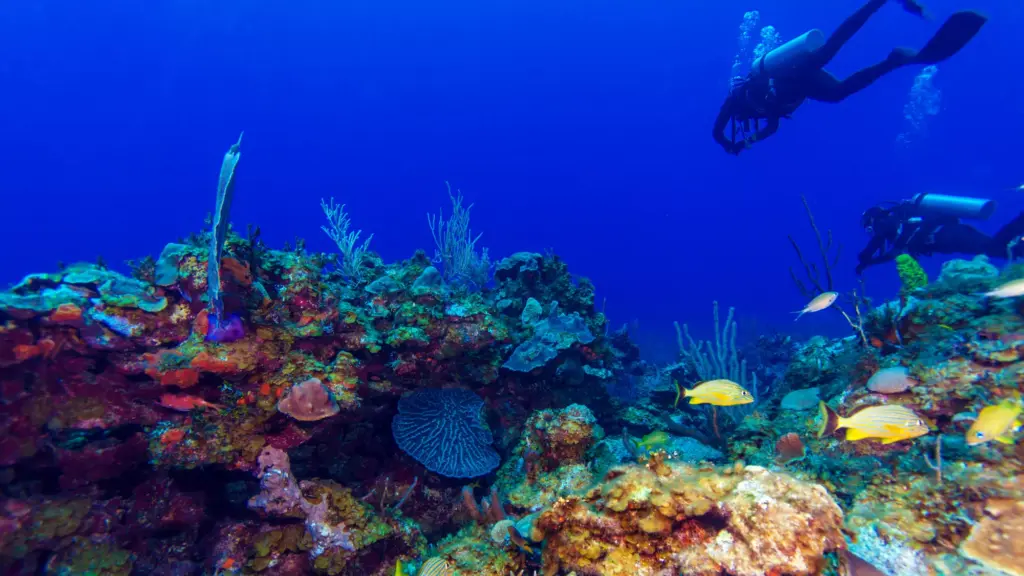
The reef begins in shallow water close to shore, making it suitable for snorkeling, Discover Scuba experiences and recreational diving. Coral formations extend deeper, with channels, reef structures and plenty of tropical fish.
At Scuba Vida, we regularly use Playa Coral for beginner dives, snorkeling and underwater photography.
What you can see
- Parrotfish
- Doctor fish
- Butterflyfish
- Angelfish
- Yellow snapper
- Schools of reef fish
- Coral formations and sponges
The combination of easy shore access and shallow coral makes Playa Coral particularly useful for beginners and photographers.
Best for: Beginners, snorkelers, Discover Scuba and photographers.
2. Cayo Piedras del Norte. Reefs and Artificial Wrecks
Cayo Piedras del Norte is a boat-diving destination near Varadero with a different character from the shallow shore reefs.
The area includes artificial underwater structures that have become part of the marine environment, providing shelter for fish and opportunities for underwater photography.
Depending on the site and conditions, divers can encounter:
- Sunken boats
- A submerged aircraft
- Coral-covered structures
- Reef formations
- Snappers
- Jacks
- Barracudas
- Other tropical reef fish
It is a good choice when you want to combine reef scenery with wreck and artificial-reef features.
Best for: Certified divers, photographers and divers looking for variety.
3. Saturno Cave. A Different Kind of Cuban Dive
Cueva de Saturno, also known as Saturno Cave, is very different from the open-water reefs around Varadero.
The flooded cave contains clear water, rock formations and stalactites, creating a completely different underwater environment.
The cave can also be visited by snorkelers, making it an interesting option for mixed groups.
However, cave diving requires appropriate training and experience. Recreational visitors should stay within the areas and limits established by their local dive professional rather than treating the cave as a penetration-diving site.
Best for: Snorkelers and appropriately trained divers looking for something different from a coral reef.
Cuba Travel also lists Cueva Saturno among the nautical attractions associated with the Varadero area.
4. Damuji Wreck. History Beneath the Surface
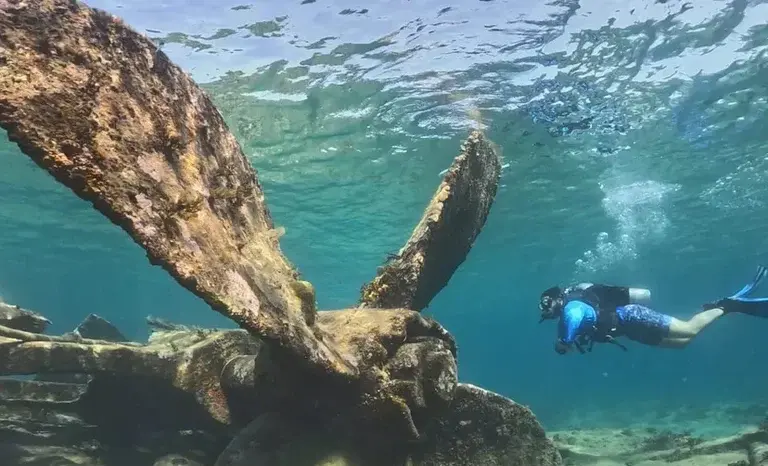
The Damuji is one of the most unusual shallow dives near Varadero.
The remains of the former ship have become integrated with the surrounding reef. Instead of seeing an intact vessel, divers explore scattered wreck remains, including recognizable structures such as the propeller and boiler.
The dive begins in shallow water and reaches approximately 12 metres on the routes we use.
It is a fascinating combination of:
- Maritime history
- •Shallow wreck diving
- Coral formations
- Tropical fish
- Underwater photography
The rocky shore entry requires appropriate footwear and assistance from the dive team when conditions require it.
Best for: Certified divers, photographers and divers interested in maritime history.
5. Bacunayagua. Coral, Depth and the Landscape Above Water
Bacunayagua offers something that few dive destinations can match: interesting diving combined with one of Cuba’s most recognizable landscapes above the water.
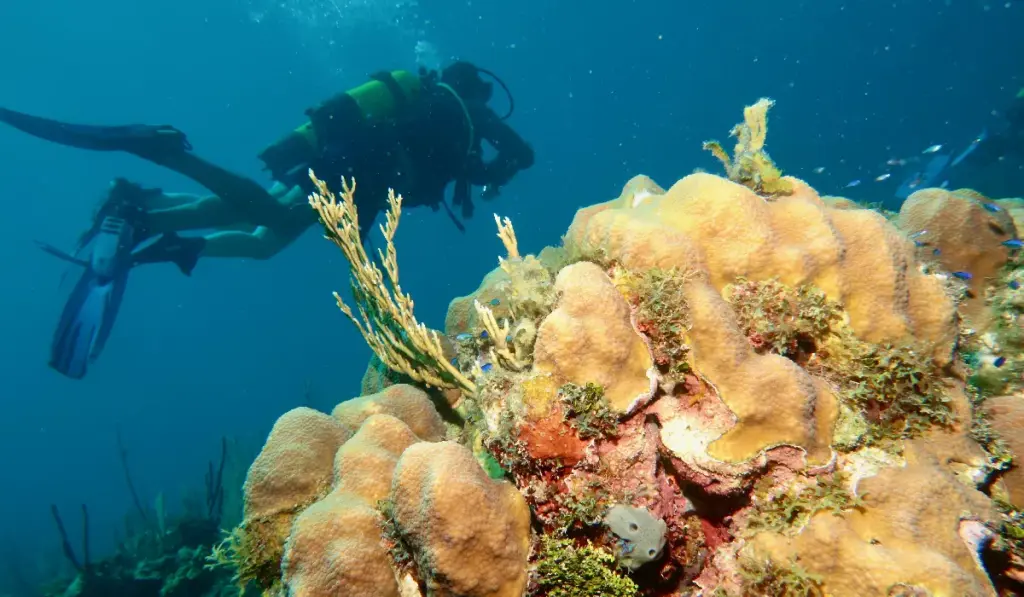
The dive starts very shallow and gradually reaches deeper coral formations. Depending on the route, divers can explore coral heads, channels and more complex reef formations.
Beginners can remain in shallower areas, while certified divers can explore deeper sections within their training and comfort limits.
One important distinction is that the reef wall accessible from the boat is not the same as the shallow shore route. The dramatic wall should not be presented as something reached during the standard shore dive.
Above water, the Bacunayagua Bridge overlooks the Yumurí Valley and provides an impressive backdrop to the experience.
Best for: Beginners, certified divers, photographers and travelers who want to combine diving with sightseeing.
Bacunayagua Diving Cuba: Coral Reefs, Marine Life & Cuba’s Highest Bridge
6. Santa Lucía. Bull Sharks, Reefs and Wrecks
For divers looking for a very different experience, Santa Lucía in Camagüey is famous for its bull shark encounters.
Official Cuba Travel describes Santa Lucía as one of Cuba’s important diving destinations, with around 35 dive sites, historic shipwrecks and abundant marine life. It also describes the organized bull shark encounter at the entrance to the Nuevitas Bay channel.
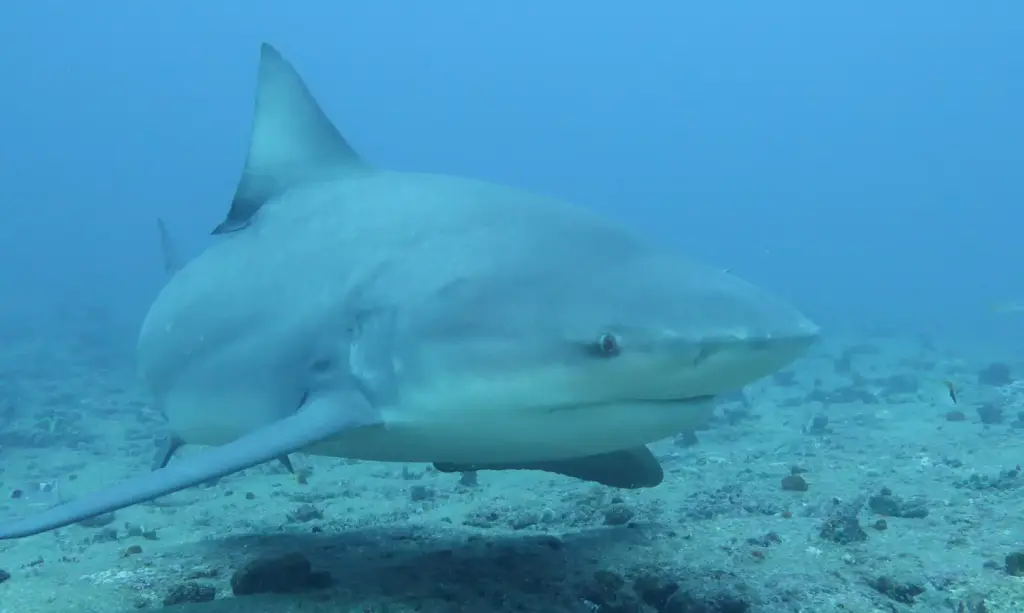
Beyond the sharks, divers can explore coral reefs, walls and historic wrecks.
This is a destination best dive sites suited to divers with appropriate certification and experience for the planned dives, particularly when the itinerary includes deeper shark encounters.
Best for: Experienced certified divers interested in sharks, wrecks and marine life.
Shark Diving in Santa Lucía Cuba: Bull Sharks, Reefs & Wrecks
7. Bay of Pigs. Shore Diving and Walls
The Bay of Pigs on Cuba’s southern coast offers a very different diving experience from Varadero.
One of its major advantages is shore access. Divers can enter from the coast and reach reef structures and walls without relying on long boat journeys.
The area also includes freshwater cenotes and cavern environments, giving divers several different underwater landscapes within the same region.
The Bay of Pigs is particularly interesting for divers who enjoy:
- Shore diving
- Reef walls
- Clear water
- Coral formations
- Cenotes and caves
- Flexible diving from the coast
It can also be a useful alternative when winter weather affects diving conditions along Cuba’s northern coast.
Best for: Beginners through experienced divers, depending on the individual site and conditions.
8. Jardines de la Reina. Cuba’s Remote Marine Reserve
Jardines de la Reina, or the Gardens of the Queen, is one of Cuba’s most famous remote diving destinations.
Its attraction is very different from Varadero. Instead of easy access from a resort area, divers travel offshore to a protected marine environment known for coral reefs, sharks, groupers and high marine biodiversity.
PADI describes Jardines de la Reina as a destination for shark encounters and healthy reef environments, with access by boat from Júcaro and liveaboard-style accommodation.
The area is particularly attractive to experienced divers looking for big-animal encounters and remote reef diving.
Best for: Experienced divers, shark enthusiasts, photographers and liveaboard travelers.
9. Isla de la Juventud. Reefs, Walls and Marine Life
South of Cuba’s main island, Isla de la Juventud offers another major diving region.
The island is known for its extensive diving areas, reef formations and underwater photography opportunities.
Its more remote character makes it particularly appealing to divers who want to spend several days concentrating on diving rather than combining diving with a resort holiday.
Best for: Experienced divers, underwater photographers and travelers looking for a dedicated dive destination.
So, Where Is the Best Diving in Cuba?
There isn’t one single answer.
The best destination depends on what you want from your diving trip.
Choose Varadero if you want:
- Easy access
- Shore diving
- Beginner-friendly reefs
- Wrecks
- Short transfers
- Snorkeling and diving in the same area
- A destination that works well for mixed groups
Choose Santa Lucía if you want:
- Bull shark encounters
- Wrecks
- Reef diving
- A more specialized shark-diving experience
Choose Bay of Pigs if you want:
- Shore diving
- Walls
- Cenotes
- Flexible diving from the coast
Choose Jardines de la Reina if you want:
- Remote diving
- Sharks and large marine life
- Protected reef environments
- A dedicated liveaboard-style dive trip
Choose Isla de la Juventud if you want:
- A dedicated dive destination
- Reefs and walls
- Underwater photography
- A quieter diving experience
Why Varadero Is Such a Good Starting Point
Varadero isn’t necessarily the place to go if your only goal is the most remote or specialized diving in Cuba.
Its strength is variety and convenience.
You can spend one day on a shallow coral reef, another exploring a wreck, another visiting a different reef environment, and still have time to enjoy the beaches and other attractions of Varadero.
For beginners, couples, families with snorkelers and divers, underwater photographers, and travelers with limited time, that flexibility is a major advantage.
And if you want to explore further, Varadero also provides a convenient base for discovering other parts of Matanzas and planning longer Cuban diving trips.
Local Insight from Scuba Vida
One of the biggest advantages of diving from Varadero is that you don’t have to choose just one type of underwater experience.
Within the wider Varadero and Matanzas region, we can move between shallow shore reefs, deeper boat sites, wrecks, walls and other underwater environments depending on your certification, experience, air consumption and the conditions on the day.
For us, the best dive site isn’t always the deepest or most famous one. It’s the site that matches your experience, what you want to see and the conditions that day.
Responsible Diving in Cuba
Wherever you dive in Cuba, the same basic principles apply:
- Don’t touch coral or marine animals.
- Maintain good buoyancy and keep your fins away from the reef.
- Don’t chase wildlife for photographs.
- Never collect coral, shells or marine life.
- Follow your local dive guide and site-specific instructions.
- Stay within your certification and experience level.
- Choose operators that emphasize small groups and responsible diving.
The goal is simple: enjoy the reef without becoming part of the problem.
Planning Your Cuban Diving Adventure
If you’re staying in Varadero, start with the local reefs and then decide whether you want to explore further.
A few days of diving around Varadero can give you a good introduction to Cuba’s underwater environment. If you’re planning a longer dive holiday, destinations such as Santa Lucía, the Bay of Pigs, Jardines de la Reina or Isla de la Juventud can add completely different experiences.
New to scuba or getting ready for your first dive trip? Our guide to how to assemble scuba gear and perform a buddy check covers the basics before entering the water.
Before every dive, your local dive team should confirm the planned site, conditions, depth, entry method and suitability for your certification and experience.
Before choosing your destination, it’s also worth considering the seasonal conditions described in our guide to the best time of year to dive in Cuba.
Why Dive with Scuba Vida?
At Scuba Vida, we are based in Varadero and focus on combining local knowledge with relaxed, small-group diving.
Whether you’re trying scuba for the first time, looking for a shallow reef, interested in wrecks or planning more adventurous dives, we can help match the experience to your level and interests.
Ready to explore Cuba underwater?
Related Articles
• Playa Coral Cuba: Snorkeling & Shore Diving Near Varadero
• Diving the Damuji Wreck: History, Marine Life & Shore Diving Near Varadero
•Bacunayagua Diving Cuba: Coral Reefs, Marine Life & Cuba’s Highest Bridge
• Shark Diving in Santa Lucía Cuba: Bull Sharks, Reefs & Wrecks
About Scuba Vida
Scuba Vida is a local dive center based in Varadero, Cuba, offering scuba diving, snorkeling, courses and guided underwater experiences around Varadero and nearby destinations.
Our goal is to help visitors discover Cuba’s underwater world while diving responsibly and respecting the marine environment.